
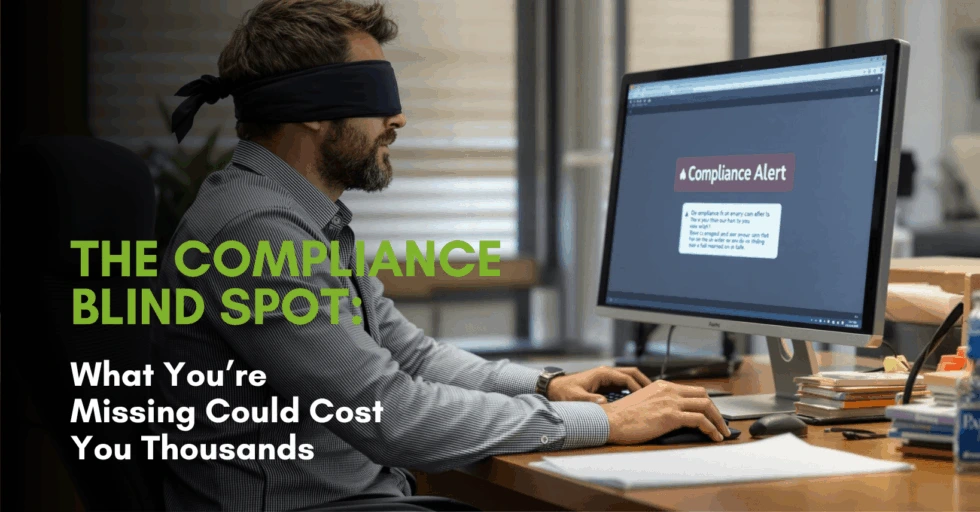
Many small business owners still believe that regulatory compliance is something only large corporations need to worry about.
As we approach 2025, that assumption is becoming not only outdated but potentially dangerous. Regulatory agencies are tightening enforcement across multiple industries, and small to mid-sized businesses are increasingly finding themselves under the microscope.
Why Compliance Matters More Than Ever
Organizations like the Department of Health and Human Services (HHS), the Payment Card Industry Security Standards Council (PCI SSC), and the Federal Trade Commission (FTC) have all stepped up their scrutiny of how businesses handle data security and consumer privacy.
Noncompliance is no longer just a legal issue. It has become a significant financial and reputational risk. A single violation can lead to:
- Thousands or even millions in fines and penalties
- Loss of customer trust
- Disruption to daily operations
- Increased liability if a data breach occurs
Key Regulations Every Small Business Should Know
Even if you are not a large enterprise, your business may still fall under one or more of these requirements.
1. HIPAA (Health Insurance Portability and Accountability Act)
If your business manages protected health information (PHI), even indirectly, you are required to comply with HIPAA’s strict privacy and security rules.
Recent updates include:
- Mandatory encryption of all electronic PHI
- Regular risk assessments to identify vulnerabilities
- Ongoing employee training in privacy and security practices
- Documented incident response plans in case of a data breach
In 2024, the HHS fined a small regional healthcare provider $1.5 million for failing to put proper data protection measures in place. Many thought penalties like this only happened to large hospitals, but regulators have made it clear that size does not matter.
2. PCI DSS (Payment Card Industry Data Security Standard)
Any business that processes, stores, or transmits credit card information, even a handful of transactions a day, must comply with PCI DSS.
Requirements include:
- Secure storage and encryption of cardholder data
- Ongoing network monitoring and vulnerability testing
- Properly configured firewalls and access controls
- Regular employee awareness training
Noncompliance can lead to steep penalties from payment processors and the cost of investigations if customer payment data is compromised.
3. FTC Data Protection and Consumer Privacy Guidelines
The Federal Trade Commission has increased enforcement of privacy protection, particularly for small businesses that collect consumer data.
Companies must:
- Clearly disclose data usage policies
- Maintain adequate cybersecurity measures
- Avoid deceptive or unclear data collection practices
Failure to comply can result in fines, legal action, and reputational damage that can take years to repair.
The Hidden Cost of Thinking You Are Too Small to Matter
Cyber attackers and regulators both know one thing: small businesses are often easier targets.
Without a robust compliance program, you risk:
- Breaches that expose customer information
- Mandatory reporting that damages trust
- Long-term financial strain from remediation costs
Ignorance is not a defence. Agencies expect businesses of every size to understand and follow these rules.
How to Protect Your Business
- Conduct a compliance audit to see which regulations apply to your operations
- Document policies and procedures regulators can review
- Invest in cybersecurity tools like encryption, firewalls, and secure access controls
- Provide training for your team to reduce human error
- Partner with a trusted Managed Service Provider (MSP) that can help you stay compliant and secure
Final Word
Compliance is not about checking a box. It is about protecting your customers, your reputation, and your bottom line.
As 2025 approaches, regulators will continue to focus on data security and privacy. The cost of ignoring these obligations is not just measured in fines. It is also measured in lost opportunities and damaged trust.
Being proactive is far less expensive than reacting to a breach or penalty.
Need help identifying your compliance blind spots?
OmegaCor IT provides tailored assessments and ongoing support to keep your business secure and compliant.
Schedule a Compliance Review